
About Mini Tooth
About Mini Tooth Kids Dentistry
Trained and certified in general pediatric dentistry — from cleanings and fillings to extractions, fluoride, emergency care — as well as cosmetic and rehabilitative dentistry, Dr. Ava Chung focuses on building a positive relationship with patients and establishing preventive dental health habits to last a lifetime.
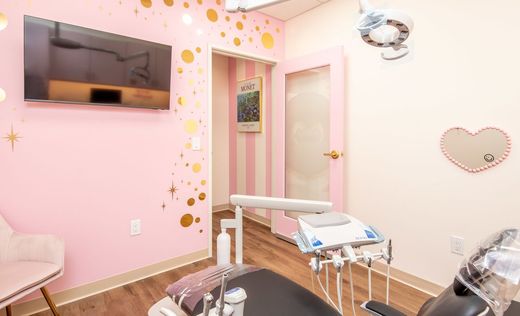
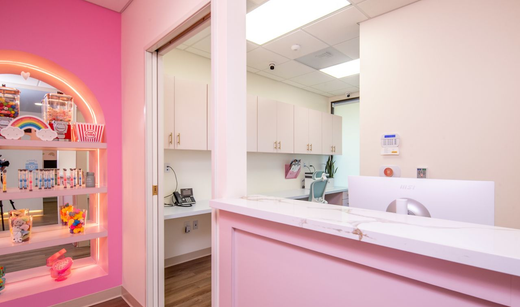
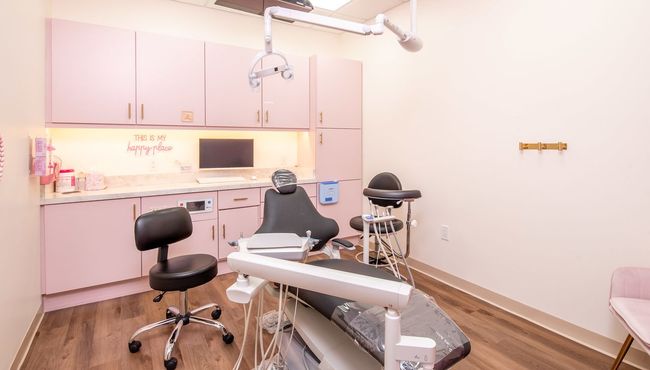
You’ll find every aspect of providing a peaceful and enjoyable dental experience here, including television screens built into the ceilings for patients can view during treatment, and weighted blankets to cuddle with. After each visit, kids get to pick from the fun collection of toys on the prize wall.
What Sets Mini Tooth Apart From The Competition
Dr. Ava makes a real connection with kids that leads to a lifetime of positive dental experiences. Since she owns and operates the practice, she’s able to spend time with patients and parents, who report they are treated like family. Dr. Ava has a special understanding of dental phobia. As a child she was extremely afraid of the dentist. No nitrous oxide was allowed and she had to be retrained to undergo treatment. That’s why she’s made it her mission to make young patients feel comfortable, happy and seen at her welcoming practice.
Dr. Ava Chung: Board-Certified Pediatric Dentist
Born and raised in Taiwan, Dr. Ava Chung moved to California for a better education when she was 16. Her fear of the dentist as a child, and having to be restrained during treatment, are motivating factors for why she wanted to provide a safe and comfortable dental experience for children. Suffering from a dental phobia helps her understand patients’ anxiety.
She seeks to provide positive experience for babies, toddlers, adolescents, teenagers and those with special needs. Since she owns the practice, she can spend as much time as she likes getting to know patients and making them feel comfortable. Education about prevention and the formation of healthy habits that last a lifetime are part of her mission.
Outside of her practice, Dr. Ava likes to visit local schools in the community to spread awareness and education about dental health. After receiving bachelor’s and master’s degrees in chemistry from UCLA, where she graduated magna cum laude and won the Ramsey Award for physical chemistry, she went to dental school at the University of California San Francisco.
During dental school, Dr. Ava did a lot of volunteer works and took mission trips to Haiti and Mexico to help promote dental health. After four years of dental school, she furthered her education in pediatric dentistry at Loma Linda University School of Dentistry. She is a board-certified pediatric dentist who has been practicing dentistry more than ten years, providing service in the Inland Empire community since 2015. She is fluent in Mandarin Chinese and English.



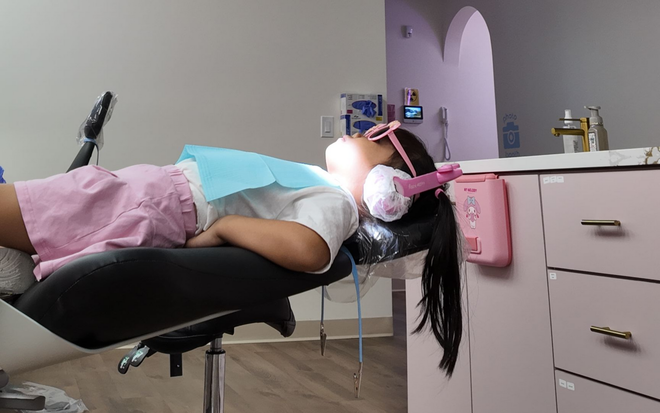
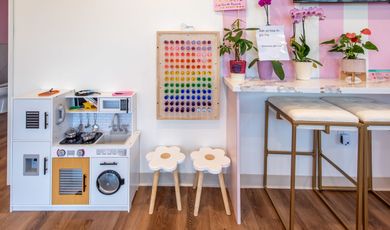
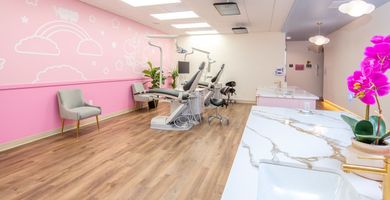
Designed to Calm, Comfort, and Delight
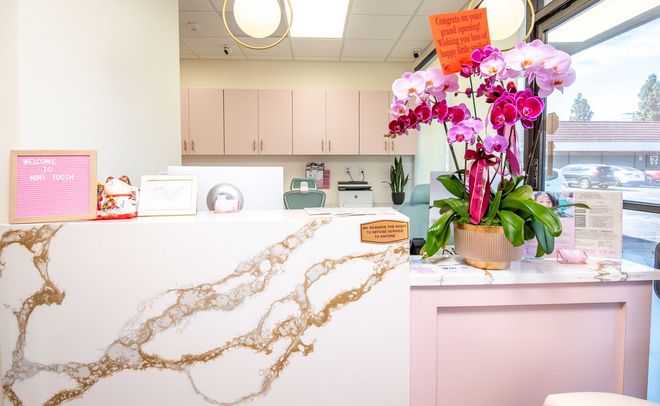
Tucked inside a bustling shopping plaza near Route 60, Mini Tooth Kids Dentistry is a cozy dental retreat for the whole family.
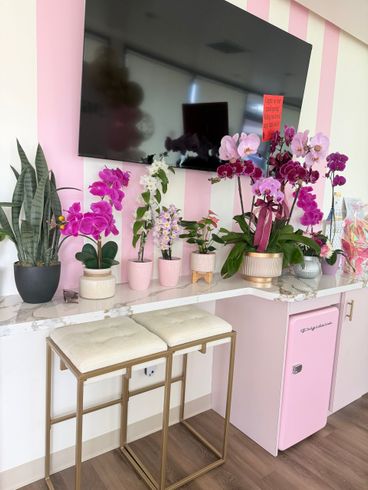
No loud rainbow walls or overstimulating characters, just soothing powder pink and pale sky blue tones, with soft cloud-inspired lighting that makes the space feel dreamy and calm for little visitors.
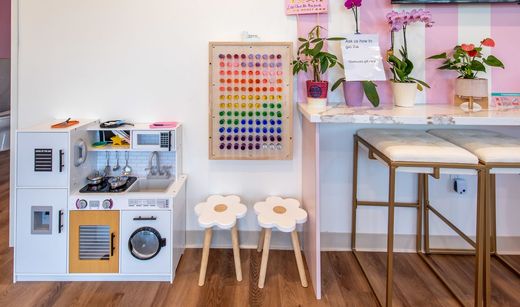
Parents can unwind in the gourmet coffee lounge, while kids enjoy a creative play kitchen before their appointment.
Relaxing Aesthetic
Cloud accents, modern decor, and a cozy atmosphere that eases anxiety.
Kid-Friendly Comforts
Soft blankets, gentle distractions, and a welcoming vibe in every corner.
Advanced Technology
Digital X-rays, intra-oral camera, and soft-tissue laser for precise and gentle care.
Prize Wall Celebration
Every brave visit ends with a proud moment and a little treat!
Insurance Made Easy
At Mini Tooth Kids Dentistry, we accept Delta Dental, Careington insurance plans.
Our friendly staff will help you work with your provider to make sure you get the maximum coverage you’re entitled to no confusing paperwork, no hidden surprises.










Join Our Smile Club!
Join our Smile Club and keep your child’s dental care easy, affordable, and full of fun.
Our Smile Club Membership gives families peace of mind and healthy smiles all year round. Enjoy discounted cleanings, exclusive perks, and members-only surprises perfect for parents who want quality care without the insurance hassle.

Infant - 0 to 2 years
$150/year
INCLUDES:
2 Periodic doctor exams
Necessary digital radiographs
2 Cleanings with flouride
Desensitization visits for $25 each (regularly $30)
20% off all treatment completed at our practice
Child - 3+ years
$199/year
INCLUDES:
2 Periodic doctor exams
Necessary digital radiographs
2 Cleanings with flouride
Desensitization visits for $25 each (regularly $30)
20% off all treatment completed at our practice
Premium - 3+ years
$299/year
INCLUDES:
2 Periodic doctor exams
Necessary digital radiographs
4 Cleanings with flouride
Desensitization visits for $25 each (regularly $30)
20% off all treatment completed at our practice
*Memberships can not be used with any insurance plan.
Frequently Asked Questions
Find quick, reliable answers about pediatric dental health, preventive care, and treatments tailored to your child’s developmental needs.
Why should my child visit a pediatric dentist? What’s different than a general dentist?
A pediatric dentist has extra 2-3 years training in school to see infants, children, adolescents up to 18 years old, and special needed patients in all ages. Pediatric dentists not only specialize in diagnosing and treating dental disease, but also focus on jaw growth development. It is important to establish good experiences for kids in dental office when they are young, and these dentists are trained in behavioral guidance suited to young patients. Preventive dentistry is important and pediatric dentists provide anticipatory guidance to parents and patients.
My kids will lose baby teeth soon, why do I need to treat them?
Primary dentition, or baby teeth, would erupt around age 5-12. Front teeth usually come out at younger ages, around 6-8, but primary molars will stay till 9-12 years old. Baby teeth also play an important role to maintain space for permanent teeth eruption, speech development, eating and nutrition. A patient who does not have primary molars or gets extraction might need longer time in braces to adjust the alignment in the future. Baby teeth also present the opportunity to develop and practice a lifetime of oral hygiene.
What are sealants?
Dental sealants are often made with resin filler, which is similar to filling material. Sealants create a physical barrier on top of teeth with grooves and pits, and most of time in the molars area. They are similar to nail polish and don’t last a life time. However, studies show sealants reduce risk of cavities risk at year 1, and 58% at year 4. Since most young kids are not able to brush molars area well, sealants provide a protective coating on top and would be easier to brush in the area. Pits and fissure sealants do not completely prevent decay, and patients are still required to maintain good oral hygiene.
Do I need to brush for my baby?
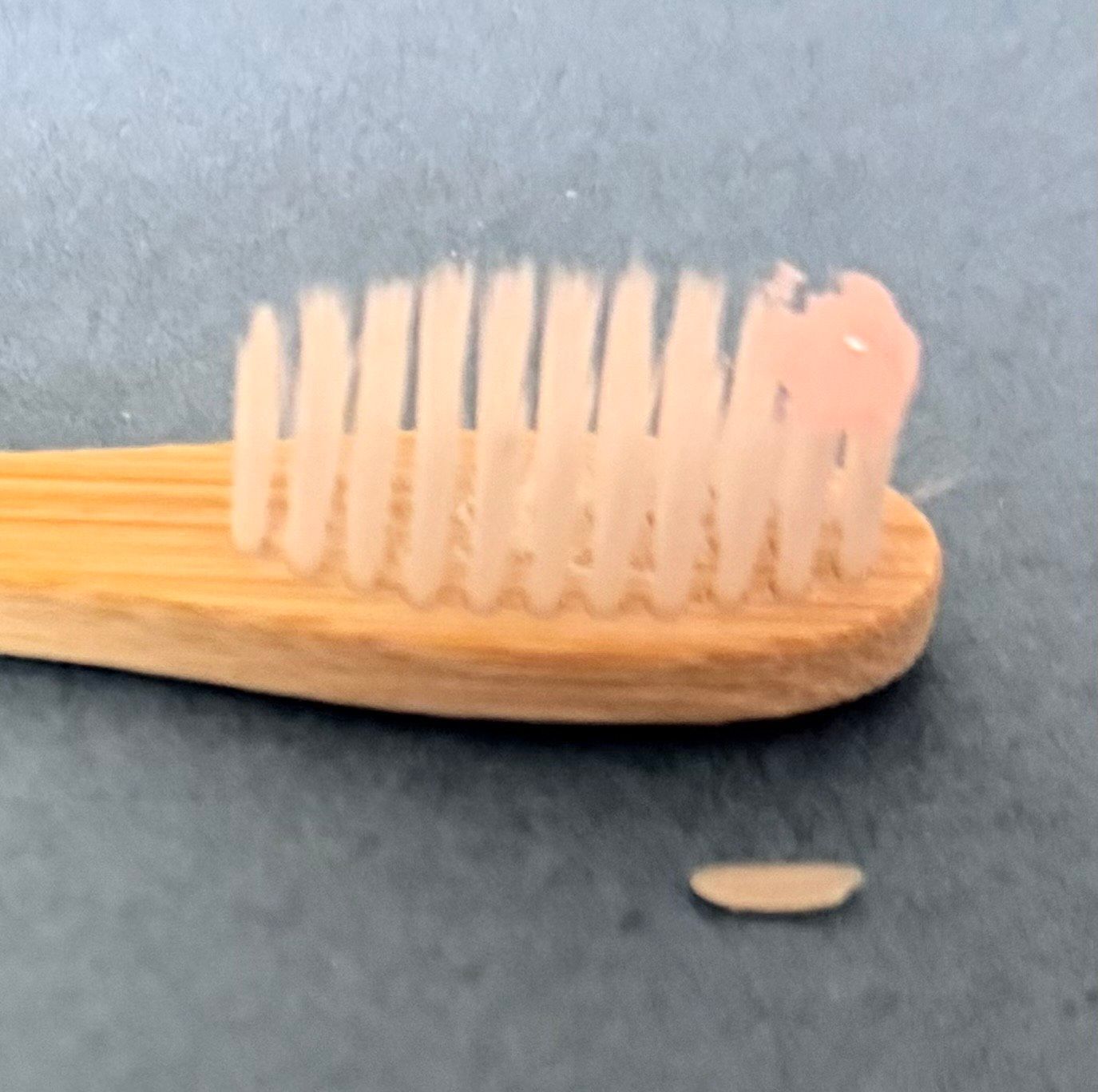
Yes, start brushing with a soft toothbrush when your infant has his or her first tooth. Wipe the gums before tooth eruption. The American Academy Pediatric Dentistry (AAPD) recommends brush teeth with rice-size amount for children less than 1, and pea-size for children age 3-6 twice a day. Parents should assist kids in brushing until they are around 9 years old.
How early should I take my child to see dentist? How often should I bring them in for exam?
Dental cavities are most common chronic disease for kids. The American Academy Pediatric Dentistry (AAPD) recommends first dental visit before age 1 or after 1st tooth eruption. Children have lower dental cavities rate with routine dental check up (at least every 6 months) and preventive care. Establish kids dental home since infant is important and develop less dental cavities in permanent teeth.
I worry fluoride will be toxic and is there any alternative choice?
Studies show possible toxic dose is 5mg/kg fluoride for human; however, daily brushing 2x a day with small amount of fluoride is in the safe range. Fluoride could increase the strength of enamel structure and lower the chance for dental decay.
There are different chemicals that lower dental cavities rate, like xylitol and hydroxyapatite.
- Xylitol is a sugar alcohol was used in diet of diabetic patients. A recent study showed xylitol lowered the incidence of caries and improved oral health.
- Hydroxyapatite is a chemical that could promote teeth mineralization process. It is also the main component of enamel that strengthens and protects teeth from decay and erosion. Xylitol toothpaste and Hydroxyapatite toothpaste are alternatives to fluoride toothpaste
What should I do after my child has a tooth extraction?
- Have your child gently bite on the gauze over the extraction site until the saliva turns light pink instead of red.
- Give only cold, soft foods right after treatment (for example: ice cream, popsicles, etc).
- Do not use a straw for the rest of the day.
- If needed, give pain medicine such as Tylenol, exactly as directed.
- Avoid hot foods and avoid chewing on that side for at least one hour after treatment.
My child has infection on the gum, but it is a baby tooth, could he/she keep till permanent tooth eruption?
It is important to take kids to see dentist when there’s of sign of infection. Primary teeth infection could be caused from decay, history of trauma or gum abscess. Dental infection could be painful and can spread to adjacent tooth, face, brain or cause life-threatening problem if untreated. It could also damage the permanent teeth development. The permanent tooth could be discolorated or deformation with the infection.
My child has perfectly straight baby teeth, but why are the permanent teeth coming in crooked?
Primary teeth are usually smaller compared to permanent teeth. A lot of time, genetic played an important role. If parents have small jaws, their kids most of time would have similar facial feature. If a child has a small jaw, permanent teeth could not have enough space and cause crowded teeth. There are also other factors could cause crooked teeth. If a child looses baby tooth from cavity, infection or trauma and permanent teeth are not ready to erupt, the adjacent teeth will shift to the empty space and prevent underneath permanent teeth from erupting correctly. If a kid used to suck their thumb, use a pacifier, or encounter tongue thrusting, it could cause narrow upper jaw and adult teeth would be out of alignment. Growth development also plays an important role. If upper and lower jaws do not grow simultaneously, it could cause bite problem. If kid has hard time wiggle baby teeth and adult teeth is about to erupt, the adult tooth would find its way to erupt and cause buccal/lingual eruption of the alignment.
Could I use fluoride toothpaste for my 1-year-old baby?
Studies show a small amount of fluoride is a safe and effective component to decrease risk of caries.
My child will lose their baby teeth soon. Why does it matter if they get dental care for them?
Baby teeth are just as important as permanent teeth. They affect your child’s confidence, smile, speech, eating, and overall growth and development. Taking good care of baby teeth also builds strong oral hygiene habits that carry over when permanent teeth come in.
Many parents assume children lose all their baby teeth around ages 6–8, but most baby molars stay in place until ages 9–12. Keeping them healthy helps guide proper spacing, jaw development, and future alignment of permanent teeth.
My child grinds his or her teeth during sleep like a scary movie. Should I be worried?
It is common for kids to grind their teeth during sleep. It is often caused by stress, less muscle control, medical conditions, or misaligned teeth. Most of the time, it is harmless and patients usually outgrow it. Sometimes reducing electronic use before bedtime and applying a warm towel to the cheek muscles may decrease grinding. When patients have all permanent teeth and your child is still grinding during sleep, the doctor may make a night guard to protect the permanent teeth.
How to reduce bedtime grinding?
- Calming time before sleep
- Massage jaw before bed
- Avoid chewing gum before sleep
- Limit cafeine like chcolate, soda, tea after late afternoon
- Reduce screen time 60 mins before sleep
Is nitrous oxide safe? Does my child need to be NPO (empty stomach for 8 hours)?
Nitrous oxide is a chemical compound commonly known as laughing gas. It is a commonly used inhaled sedative in dental offices to lower patient anxiety. It has a fast onset and fast offset, allowing patients to return to school or daily activities after dental treatment with nitrous oxide.
Vomiting is the most common side effect of nitrous oxide. Children do not need to have an empty stomach for 8 hours; however, Dr. Ava recommends not eating for 90 minutes prior to the appointment. Dairy products such as milk may increase the risk of vomiting and stomach upset during treatment, so no milk or dairy products should be consumed before treatment.
If the patient is hungry before a dental appointment with nitrous oxide, a small amount of food such as 1–5 crackers or a small piece of bread is acceptable. It is important to let your dentist know what your child ate before dental treatment.
Nitrous oxide is safe when it is administered by certified doctors. Excessive use could lead to serious problems. Dr. Ava is a board-certified pediatric dentist and is well trained in the use of nitrous oxide for children and teenagers.
Before Nitrous Oxide
- No milk or dairy products 90-120 minutess prior to treatment
- No big meals before treatment
- No respiratory problems
Is fluoride safe for my baby?
Studies showed that a small amount of fluoride tooth paste for under 3 years old is safe.